ARTICLE 15
BY MUHAMMAD BURHAN ULLAH ( MIDO)
TAHAJUD
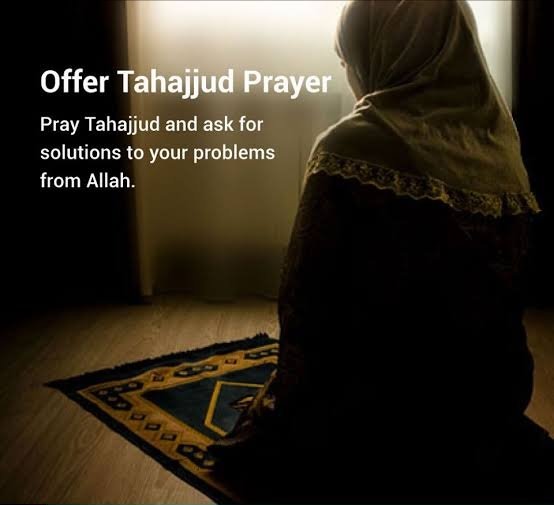
Tahajjud means specifically praying at night, and some scholars limited it to prayers that are offered at night after sleeping.
Al-Hajjaaj ibn ‘Amr al-Ansaari (may Allah be pleased with him) said: One of you thinks that if he gets up at night and prays until morning comes that he has done tahajjud. But in fact tahajjud means praying after sleeping, then praying after sleeping. That is how the Messenger of Allah (blessings and peace of Allah upon him) prayed. Al-Haafiz Ibn Hajar said in al-Talkhees al-Habeer (2/35): Its isnaad is hasan; it includes Abu Saalih, the scribe of al-Layth, and it is somewhat weak. It was also narrated by al-Tabaraani, whose isnaad includes Ibn Luhay‘ah, whose report is supported by the one that came before it. End quote.
Thus it becomes clear that qiyaam al-layl is more general than tahajjud, because it includes prayer and other actions, and it includes prayer before and after sleeping.
But tahajjud is exclusively praying, and there are two opinions concerning it. The first is that it means praying at any time of the night, which is the view of the majority of fuqaha’.
The second is that it is prayer after sleeping. See: al-Mawsoo‘ah al-Fiqhiyyah, 2/232.
Al-Qurtubi (may Allah have mercy on him) said in his commentary on the verse (interpretation of the meaning): “And in some parts of the night (also) offer the Salaah (prayer) with it (i.e. recite the Qur’aan in the prayer) as an additional prayer (Tahajjud optional prayer Nawâfil) for you (O Muhammad صلى الله عليه وسلم). It may be that your Lord will raise you to Maqâm Mahmûd (a station of praise and glory, i.e., the honour of intercession on the Day of Resurrection)” [al-Isra’ 17:79]:
Tahajjud comes from hujood, which is doing one thing and the opposite, it so the word hajada may mean he slept or it may mean he stayed up at night, which are opposites.
Tahajjud means waking up after sleeping, and it became a name for prayer, because the individual wakes up for it. So tahajjud means getting up to pray at night. This meaning was given by al-Aswad, ‘Ilqimah, ‘Abd al-Rahmaan ibn al-Aswad and others.
Ismaa‘eel ibn Ishaaq al-Qaadi narrated from the hadeeth of al-Hajjaaj ibn ‘Amr, the Companion of the Prophet (blessings and peace of Allah upon him) that he said: Does one of you think that if he gets up and spends the entire night in prayer that he had prayed tahajjud? Rather tahajjud is praying after sleeping, then praying after sleeping, then praying after sleeping. This is how the Messenger of Allah (blessing and peace of Allah be upon him) prayed.
And it was said tahajjud means sleep, as it is said in Arabic, Tahajjada al-rajul, meaning the man stayed up, and alqa al-hujood, i.e., sleep. And the one who gets up to pray is called mutahajjid. End quote from Tafseer al-Tabari, 10/307.
Shaykh Ibn Baaz (may Allah have mercy on him) was asked: What is the difference between Taraweeh, Qiyaam and Tahajjud? Please advise us, may you be rewarded.
He replied: Prayer at night is called tahajjud or qiyaam al-layl, as Allah says (interpretation of the meaning):
“And in some parts of the night (also) offer the Salaah (prayer) with it (i.e. recite the Qur’aan in the prayer) as an additional prayer (Tahajjud optional prayer Nawâfil) for you”
[al-Isra’ 17:79]
“O you wrapped in garments (i.e. Prophet Muhammad صلى الله عليه وسلم)!
- Stand (to pray) all night, except a little”
[al-Muzzammil 73:1-2]
“They used to sleep but little by night [invoking their Lord (Allaah) and praying, with fear and hope]”
[al-Dhaariyaat 51:17].
With regard to Taraweeh, the scholars use this word to refer to qiyaam al-layl in Ramadan at the beginning of the night, which should be made light and not lengthy. It may also be called tahajjud or qiyaam al-layl.
And Allah is the source of strength.
End quote from Fataawa al-Shaykh Ibn Baaz, 11/317.
DUAS FOR TAHAJUD
Sahih al-Bukhari 1120
Narrated Ibn `Abbas:
When the Prophet (ﷺ) got up at night to offer the Tahajjud prayer, he used to say: Allahumma lakal-hamd. Anta qaiyyimus-samawati wal-ard wa man fihinna. Walakal-hamd, Laka mulkus-samawati wal-ard wa man fihinna. Walakal-hamd, anta nurus-samawati wal-ard. Wa lakal-hamd, anta-l-haq wa wa’duka-lhaq, wa liqa’uka Haq, wa qauluka Haq, wal-jannatu Han wan-naru Haq wannabiyuna Haq. Wa Muhammadun, sallal-lahu’alaihi wasallam, Haq, was-sa’atu Haq. Allahumma aslamtu Laka wabika amantu, wa ‘Alaika tawakkaltu, wa ilaika anabtu wa bika khasamtu, wa ilaika hakamtu faghfir li ma qaddamtu wama akh-khartu wama as-rartu wama’a lantu, anta-l-muqaddim wa anta-l-mu akh-khir, la ilaha illa anta (or la ilaha ghairuka). (O Allah! All the praises are for you, You are the Holder of the Heavens and the Earth, And whatever is in them. All the praises are for You; You have the possession of the Heavens and the Earth And whatever is in them. All the praises are for You; You are the Light of the Heavens and the Earth And all the praises are for You; You are the King of the Heavens and the Earth; And all the praises are for You; You are the Truth and Your Promise is the truth, And to meet You is true, Your Word is the truth And Paradise is true And Hell is true And all the Prophets (Peace be upon them) are true; And Muhammad is true, And the Day of Resurrection is true. O Allah ! I surrender (my will) to You; I believe in You and depend on You. And repent to You, And with Your help I argue (with my opponents, the non-believers) And I take You as a judge (to judge between us). Please forgive me my previous And future sins; And whatever I concealed or revealed And You are the One who make (some people) forward And (some) backward. There is none to be worshipped but you . Sufyan said that `Abdul Karim Abu Umaiya added to the above, ‘Wala haula Wala quwata illa billah’ (There is neither might nor power except with Allah).
حَدَّثَنَا عَلِيُّ بْنُ عَبْدِ اللَّهِ، قَالَ حَدَّثَنَا سُفْيَانُ، قَالَ حَدَّثَنَا سُلَيْمَانُ بْنُ أَبِي مُسْلِمٍ، عَنْ طَاوُسٍ، سَمِعَ ابْنَ عَبَّاسٍ ـ رضى الله عنهما ـ قَالَ كَانَ النَّبِيُّ صلى الله عليه وسلم إِذَا قَامَ مِنَ اللَّيْلِ يَتَهَجَّدُ قَالَ ” اللَّهُمَّ لَكَ الْحَمْدُ أَنْتَ قَيِّمُ السَّمَوَاتِ وَالأَرْضِ وَمَنْ فِيهِنَّ وَلَكَ الْحَمْدُ، لَكَ مُلْكُ السَّمَوَاتِ وَالأَرْضِ وَمَنْ فِيهِنَّ، وَلَكَ الْحَمْدُ أَنْتَ نُورُ السَّمَوَاتِ وَالأَرْضِ، وَلَكَ الْحَمْدُ أَنْتَ الْحَقُّ، وَوَعْدُكَ الْحَقُّ، وَلِقَاؤُكَ حَقٌّ، وَقَوْلُكَ حَقٌّ، وَالْجَنَّةُ حَقٌّ، وَالنَّارُ حَقٌّ، وَالنَّبِيُّونَ حَقٌّ، وَمُحَمَّدٌ صلى الله عليه وسلم حَقٌّ، وَالسَّاعَةُ حَقٌّ، اللَّهُمَّ لَكَ أَسْلَمْتُ، وَبِكَ آمَنْتُ وَعَلَيْكَ تَوَكَّلْتُ، وَإِلَيْكَ أَنَبْتُ، وَبِكَ خَاصَمْتُ، وَإِلَيْكَ حَاكَمْتُ، فَاغْفِرْ لِي مَا قَدَّمْتُ وَمَا أَخَّرْتُ، وَمَا أَسْرَرْتُ وَمَا أَعْلَنْتُ، أَنْتَ الْمُقَدِّمُ وَأَنْتَ الْمُؤَخِّرُ، لاَ إِلَهَ إِلاَّ أَنْتَ ـ أَوْ لاَ إِلَهَ غَيْرُكَ ـ ”. قَالَ سُفْيَانُ وَزَادَ عَبْدُ الْكَرِيمِ أَبُو أُمَيَّةَ ” وَلاَ حَوْلَ وَلاَ قُوَّةَ إِلاَّ بِاللَّهِ ”. قَالَ سُفْيَانُ قَالَ سُلَيْمَانُ بْنُ أَبِي مُسْلِمٍ سَمِعَهُ مِنْ طَاوُسٍ عَنِ ابْنِ عَبَّاسٍ ـ رضى الله عنهما ـ عَنِ النَّبِيِّ صلى الله عليه وسلم.
Reference : Sahih al-Bukhari 1120
In-book reference : Book 19, Hadith 1
USC-MSA web (English) reference : Vol. 2, Book 21, Hadith 221
Mishkat al-Masabih 968
Abu Umama said that God’s Messenger was asked which supplication is most readily listened to, and replied, “What is offered in the latter part of the depth of the night and after the prescribed prayers.” Tirmidhi transmitted it.
وَعَنْ أَبِي أُمَامَةَ قَالَ: قِيلَ: يَا رَسُولَ اللَّهِ أَيُّ الدُّعَاءِ أَسْمَعُ؟ قَالَ: «جَوْفُ اللَّيْلِ الآخر ودبر الصَّلَوَات المكتوبات» . رَوَاهُ التِّرْمِذِيّ
حسن (الألباني) حكم :
Reference : Mishkat al-Masabih 968
In-book reference : Book 4, Hadith 391
Ibn Abbas reported: The Messenger of Allah, peace and blessings be upon him, said, “O Allah, put light in my heart, put light in my hearing, put light in my seeing, put light on my tongue, and give me light in abundance.”
Source: Musnad Aḥmad 3291
Grade: Sahih (authentic) according to Ahmad Shakir
عَنِ ابْنِ عَبَّاسٍ قَالَ قَالَ رَسُولُ اللَّهِ صَلَّى اللَّهُ عَلَيْهِ وَسَلَّمَ اللَّهُمَّ اجْعَلْ فِي قَلْبِي نُورًا وَفِي سَمْعِي نُورًا وَفِي بَصَرِي نُورًا وَفِي لِسَانِي نُورًا وَأَعْظِمْ لِي نُورًا
3291 مسند أحمد مسند عبد الله بن العباس
5/102 المحدث أحمد شاكر خلاصة حكم المحدث إسناده صحيح في مسند أحمد
Sahih al-Bukhari 1132
Narrated Masruq:
I asked `Aisha which deed was most loved by the Prophet. She said, “A deed done continuously.” I further asked, “When did he used to get up (in the night for the prayer).” She said, “He used to get up on hearing the crowing of a cock.”
حَدَّثَنِي عَبْدَانُ، قَالَ أَخْبَرَنِي أَبِي، عَنْ شُعْبَةَ، عَنْ أَشْعَثَ، سَمِعْتُ أَبِي قَالَ، سَمِعْتُ مَسْرُوقًا، قَالَ سَأَلْتُ عَائِشَةَ ـ رضى الله عنها ـ أَىُّ الْعَمَلِ كَانَ أَحَبَّ إِلَى النَّبِيِّ صلى الله عليه وسلم قَالَتِ الدَّائِمُ. قُلْتُ مَتَى كَانَ يَقُومُ قَالَتْ يَقُومُ إِذَا سَمِعَ الصَّارِخَ.
Reference : Sahih al-Bukhari 1132
In-book reference : Book 19, Hadith 12
USC-MSA web (English) reference : Vol. 2, Book 21, Hadith 232
Sahih al-Bukhari 1138
Narrated Ibn `Abbas:
The prayer of the Prophet (ﷺ) used to be of thirteen rak`at, i.e. of the night prayer.
حَدَّثَنَا مُسَدَّدٌ، قَالَ حَدَّثَنَا يَحْيَى، عَنْ شُعْبَةَ، قَالَ حَدَّثَنِي أَبُو جَمْرَةَ، عَنِ ابْنِ عَبَّاسٍ ـ رضى الله عنهما ـ قَالَ كَانَ صَلاَةُ النَّبِيِّ صلى الله عليه وسلم ثَلاَثَ عَشْرَةَ رَكْعَةً. يَعْنِي بِاللَّيْلِ.
Reference : Sahih al-Bukhari 1138
In-book reference : Book 19, Hadith 19
USC-MSA web (English) reference : Vol. 2, Book 21, Hadith 239
(12)Chapter: Satan’a tying of knots at the back of the head if one does not offer the ight prayer
Sahih al-Bukhari 1142
Narrated Abu Huraira:
Allah’s Messenger (ﷺ) said, “Satan puts three knots at the back of the head of any of you if he is asleep. On every knot he reads and exhales the following words, ‘The night is long, so stay asleep.’ When one wakes up and remembers Allah, one knot is undone; and when one performs ablution, the second knot is undone, and when one prays the third knot is undone and one gets up energetic with a good heart in the morning; otherwise one gets up lazy and with a mischievous heart.”
حَدَّثَنَا عَبْدُ اللَّهِ بْنُ يُوسُفَ، قَالَ أَخْبَرَنَا مَالِكٌ، عَنْ أَبِي الزِّنَادِ، عَنِ الأَعْرَجِ، عَنْ أَبِي هُرَيْرَةَ ـ رضى الله عنه ـ أَنَّ رَسُولَ اللَّهِ صلى الله عليه وسلم قَالَ “ يَعْقِدُ الشَّيْطَانُ عَلَى قَافِيَةِ رَأْسِ أَحَدِكُمْ إِذَا هُوَ نَامَ ثَلاَثَ عُقَدٍ، يَضْرِبُ كُلَّ عُقْدَةٍ عَلَيْكَ لَيْلٌ طَوِيلٌ فَارْقُدْ، فَإِنِ اسْتَيْقَظَ فَذَكَرَ اللَّهَ انْحَلَّتْ عُقْدَةٌ، فَإِنْ تَوَضَّأَ انْحَلَّتْ عُقْدَةٌ، فَإِنْ صَلَّى انْحَلَّتْ عُقْدَةٌ فَأَصْبَحَ نَشِيطًا طَيِّبَ النَّفْسِ، وَإِلاَّ أَصْبَحَ خَبِيثَ النَّفْسِ كَسْلاَنَ ”.
Reference : Sahih al-Bukhari 1142
In-book reference : Book 19, Hadith 23
USC-MSA web (English) reference : Vol. 2, Book 21, Hadith 243
(14)Chapter: Offering Salat (prayer) and invoking Allah in the last hours of the night
Sahih al-Bukhari 1145
Narrated Abu Huraira:
Allah’s Messenger (ﷺ) (p.b.u.h) said, “Our Lord, the Blessed, the Superior, comes every night down on the nearest Heaven to us when the last third of the night remains, saying: “Is there anyone to invoke Me, so that I may respond to invocation? Is there anyone to ask Me, so that I may grant him his request? Is there anyone seeking My forgiveness, so that I may forgive him?”
حَدَّثَنَا عَبْدُ اللَّهِ بْنُ مَسْلَمَةَ، عَنْ مَالِكٍ، عَنِ ابْنِ شِهَابٍ، عَنْ أَبِي سَلَمَةَ، وَأَبِي عَبْدِ اللَّهِ الأَغَرِّ، عَنْ أَبِي هُرَيْرَةَ ـ رضى الله عنه ـ أَنَّ رَسُولَ اللَّهِ صلى الله عليه وسلم قَالَ “ يَنْزِلُ رَبُّنَا تَبَارَكَ وَتَعَالَى كُلَّ لَيْلَةٍ إِلَى السَّمَاءِ الدُّنْيَا حِينَ يَبْقَى ثُلُثُ اللَّيْلِ الآخِرُ يَقُولُ مَنْ يَدْعُونِي فَأَسْتَجِيبَ لَهُ مَنْ يَسْأَلُنِي فَأُعْطِيَهُ مَنْ يَسْتَغْفِرُنِي فَأَغْفِرَ لَهُ ”.
Reference : Sahih al-Bukhari 1145
In-book reference : Book 19, Hadith 26
USC-MSA web (English) reference : Vol. 2, Book 21, Hadith 246
(15)Chapter: Sleeping in the first part of the night and getting up in its last part
Sahih al-Bukhari 1146
Narrated Al-Aswad:
I asked `Aisha “How is the night prayer of the Prophet?” She replied, “He used to sleep early at night, and get up in its last part to pray, and then return to his bed. When the Mu’adh-dhin pronounced the Adhan, he would get up. If he was in need of a bath he would take it; otherwise he would perform ablution and then go out (for the prayer).”
حَدَّثَنَا أَبُو الْوَلِيدِ، حَدَّثَنَا شُعْبَةُ،. وَحَدَّثَنِي سُلَيْمَانُ، قَالَ حَدَّثَنَا شُعْبَةُ، عَنْ أَبِي إِسْحَاقَ، عَنِ الأَسْوَدِ، قَالَ سَأَلْتُ عَائِشَةَ ـ رضى الله عنها ـ كَيْفَ صَلاَةُ النَّبِيِّ صلى الله عليه وسلم بِاللَّيْلِ قَالَتْ كَانَ يَنَامُ أَوَّلَهُ وَيَقُومُ آخِرَهُ، فَيُصَلِّي ثُمَّ يَرْجِعُ إِلَى فِرَاشِهِ، فَإِذَا أَذَّنَ الْمُؤَذِّنُ وَثَبَ، فَإِنْ كَانَ بِهِ حَاجَةٌ اغْتَسَلَ، وَإِلاَّ تَوَضَّأَ وَخَرَجَ.
Reference : Sahih al-Bukhari 1146
In-book reference : Book 19, Hadith 27
USC-MSA web (English) reference : Vol. 2, Book 21, Hadith 247
Sahih al-Bukhari 1148
Narrated `Aisha:
I did not see the Prophet (ﷺ) reciting (the Qur’an) in the night prayer while sitting except when he became old; when he used to recite while sitting, and when thirty or forty verses remained from the Sura, he would get up and recite them and then bow.
حَدَّثَنَا مُحَمَّدُ بْنُ الْمُثَنَّى، حَدَّثَنَا يَحْيَى بْنُ سَعِيدٍ، عَنْ هِشَامٍ، قَالَ أَخْبَرَنِي أَبِي، عَنْ عَائِشَةَ ـ رضى الله عنها ـ قَالَتْ مَا رَأَيْتُ النَّبِيَّ صلى الله عليه وسلم يَقْرَأُ فِي شَىْءٍ مِنْ صَلاَةِ اللَّيْلِ جَالِسًا، حَتَّى إِذَا كَبِرَ قَرَأَ جَالِسًا، فَإِذَا بَقِيَ عَلَيْهِ مِنَ السُّورَةِ ثَلاَثُونَ أَوْ أَرْبَعُونَ آيَةً قَامَ فَقَرَأَهُنَّ ثُمَّ رَكَعَ.
Reference : Sahih al-Bukhari 1148
In-book reference : Book 19, Hadith 29
USC-MSA web (English) reference : Vol. 2, Book 21, Hadith 249
(18)Chapter: It is disliked to exaggerate in matters of worship
(18)باب مَا يُكْرَهُ مِنَ التَّشْدِيدِ فِي الْعِبَادَةِ
Sahih al-Bukhari 1150
Narrated Anas bin Malik
Once the Prophet (p.b.u.h) entered the Mosque and saw a rope hanging in between its two pillars. He said, “What is this rope?” The people said, “This rope is for Zainab who, when she feels tired, holds it (to keep standing for the prayer.)” The Prophet (ﷺ) said, “Don’t use it. Remove the rope. You should pray as long as you feel active, and when you get tired, sit down.”
حَدَّثَنَا أَبُو مَعْمَرٍ، حَدَّثَنَا عَبْدُ الْوَارِثِ، عَنْ عَبْدِ الْعَزِيزِ بْنِ صُهَيْبٍ، عَنْ أَنَسِ بْنِ مَالِكٍ ـ رضى الله عنه ـ قَالَ دَخَلَ النَّبِيُّ صلى الله عليه وسلم فَإِذَا حَبْلٌ مَمْدُودٌ بَيْنَ السَّارِيَتَيْنِ فَقَالَ ” مَا هَذَا الْحَبْلُ ”. قَالُوا هَذَا حَبْلٌ لِزَيْنَبَ فَإِذَا فَتَرَتْ تَعَلَّقَتْ. فَقَالَ النَّبِيُّ صلى الله عليه وسلم ” لاَ، حُلُّوهُ، لِيُصَلِّ أَحَدُكُمْ نَشَاطَهُ، فَإِذَا فَتَرَ فَلْيَقْعُدْ ”.
Reference : Sahih al-Bukhari 1150
In-book reference : Book 19, Hadith 31
USC-MSA web (English) reference : Vol. 2, Book 21, Hadith 251
(19)Chapter: It is disliked for a person to leave the night Salat
(19)باب مَا يُكْرَهُ مِنْ تَرْكِ قِيَامِ اللَّيْلِ لِمَنْ كَانَ يَقُومُهُ
Sahih al-Bukhari 1152
Narrated Abdullah binAmr bin Al-`As:
Allah’s Messenger (ﷺ) said to me, “O `Abdullah! Do not be like so and so who used to pray at night and then stopped the night prayer.”
حَدَّثَنَا عَبَّاسُ بْنُ الْحُسَيْنِ، حَدَّثَنَا مُبَشِّرٌ، عَنِ الأَوْزَاعِيِّ،. وَحَدَّثَنِي مُحَمَّدُ بْنُ مُقَاتِلٍ أَبُو الْحَسَنِ، قَالَ أَخْبَرَنَا عَبْدُ اللَّهِ، أَخْبَرَنَا الأَوْزَاعِيُّ، قَالَ حَدَّثَنِي يَحْيَى بْنُ أَبِي كَثِيرٍ، قَالَ حَدَّثَنِي أَبُو سَلَمَةَ بْنُ عَبْدِ الرَّحْمَنِ، قَالَ حَدَّثَنِي عَبْدُ اللَّهِ بْنُ عَمْرِو بْنِ الْعَاصِ ـ رضى الله عنهما ـ قَالَ قَالَ لِي رَسُولُ اللَّهِ صلى الله عليه وسلم “ يَا عَبْدَ اللَّهِ، لاَ تَكُنْ مِثْلَ فُلاَنٍ، كَانَ يَقُومُ اللَّيْلَ فَتَرَكَ قِيَامَ اللَّيْلِ ”. وَقَالَ هِشَامٌ حَدَّثَنَا ابْنُ أَبِي الْعِشْرِينَ، حَدَّثَنَا الأَوْزَاعِيُّ، قَالَ حَدَّثَنِي يَحْيَى، عَنْ عُمَرَ بْنِ الْحَكَمِ بْنِ ثَوْبَانَ، قَالَ حَدَّثَنِي أَبُو سَلَمَةَ، مِثْلَهُ. وَتَابَعَهُ عَمْرُو بْنُ أَبِي سَلَمَةَ عَنِ الأَوْزَاعِيِّ،.
Reference : Sahih al-Bukhari 1152
In-book reference : Book 19, Hadith 33
USC-MSA web (English) reference : Vol. 2, Book 21, Hadith 252
(21)Chapter: The superiority of one who wakes up at night and offers the Salat with a loud voice
(21)باب فَضْلِ مَنْ تَعَارَّ مِنَ اللَّيْلِ فَصَلَّى
Sahih al-Bukhari 1154
Narrated ‘Ubada bin As-Samit:
The Prophet (ﷺ) “Whoever gets up at night and says: — ‘La ilaha il-lallah Wahdahu la Sharika lahu Lahu-lmulk, waLahu-l-hamd wahuwa ‘ala kullishai’in Qadir. Al hamdu lil-lahi wa subhanal-lahi wa la-ilaha il-lal-lah wa-l-lahu akbar wa la hawla Wala Quwata il-la-bil-lah.’ (None has the right to be worshipped but Allah. He is the Only One and has no partners . For Him is the Kingdom and all the praises are due for Him. He is Omnipotent. All the praises are for Allah. All the glories are for Allah. And none has the right to be worshipped but Allah, And Allah is Great And there is neither Might nor Power Except with Allah). And then says: — Allahumma, Ighfir li (O Allah! Forgive me). Or invokes (Allah), he will be responded to and if he performs ablution (and prays), his prayer will be accepted.”
حَدَّثَنَا صَدَقَةُ بْنُ الْفَضْلِ، أَخْبَرَنَا الْوَلِيدُ، عَنِ الأَوْزَاعِيِّ، قَالَ حَدَّثَنِي عُمَيْرُ بْنُ هَانِئٍ، قَالَ حَدَّثَنِي جُنَادَةُ بْنُ أَبِي أُمَيَّةَ، حَدَّثَنِي عُبَادَةُ بْنُ الصَّامِتِ، عَنِ النَّبِيِّ صلى الله عليه وسلم قَالَ “ مَنْ تَعَارَّ مِنَ اللَّيْلِ فَقَالَ لاَ إِلَهَ إِلاَّ اللَّهُ وَحْدَهُ لاَ شَرِيكَ لَهُ، لَهُ الْمُلْكُ، وَلَهُ الْحَمْدُ، وَهُوَ عَلَى كُلِّ شَىْءٍ قَدِيرٌ. الْحَمْدُ لِلَّهِ، وَسُبْحَانَ اللَّهِ، وَلاَ إِلَهَ إِلاَّ اللَّهُ، وَاللَّهُ أَكْبَرُ، وَلاَ حَوْلَ وَلاَ قُوَّةَ إِلاَّ بِاللَّهِ. ثُمَّ قَالَ اللَّهُمَّ اغْفِرْ لِي. أَوْ دَعَا اسْتُجِيبَ، فَإِنْ تَوَضَّأَ وَصَلَّى قُبِلَتْ صَلاَتُهُ ”.
Reference : Sahih al-Bukhari 1154
In-book reference : Book 19, Hadith 35
USC-MSA web (English) reference : Vol. 2, Book 21, Hadith 253
 MISHKAT INTERNATIONAL DAWAH ORGANISATION